
The Impact of Sun Damage on Collagen: Understanding the Connection
Collagen is a vital protein in our bodies, responsible for providing structure, strength, and elasticity to our skin, bones, muscles, and connective tissues. As we get older, our body’s natural collagen production slows down (source).
Written by Ann Mifsud
Last Updated: August 13, 2024 | 8 min Read
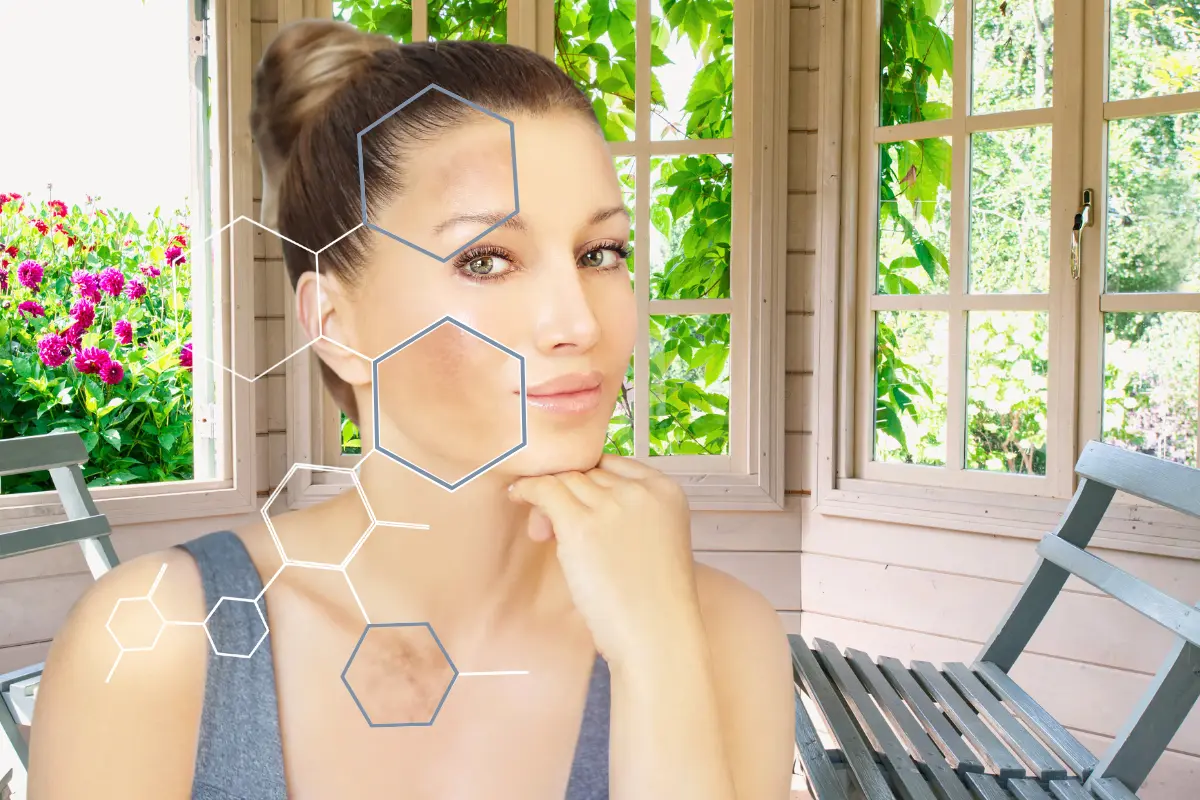
Hello wrinkles!
Hello saggy skin!
Hello joint stiffness!
We’re suddenly reminded we’re not as spry as we once were!
Contents
The Role of Collagen in Skin Health
Collagen acts as the primary building block of the skin. It constitutes 70-80% of the skin’s dry weight, providing strength and structural support to the skin (source).
That is why collagen is essential for maintaining the skin’s firmness and elasticity, helping it to remain smooth and resilient. The younger we are, the more optimal collagen levels are. The skin appears youthful, plump, and free from deep wrinkles.
Unfortunately, the combination of aging and environmental factors, particularly sun exposure, can significantly deplete collagen levels, leading to premature aging, also known as photoaging.
Understanding Photoaging and Its Effects
Photoaging is the premature (occasionally harmful) aging of the skin caused by sun exposure. No one is immune, but the extent of photoaging you experience depends on factors like your skin type, the amount of melanin in your skin, and how often and long you’re in the sun.
But here’s the twist—a bit of sunshine isn’t just nice, it’s necessary! The sun is our top source of vitamin D, which plays a vital role in supporting our immune system, strengthening bones, reducing inflammation, and even improving our mood (source).
So, while sunshine is key for overall well-being, in hot and humid Malta, where the sun is often intense, it’s crucial to balance your sun exposure and take extra precautions to protect your skin from the harmful effects of UV radiation.
UV radiation damages the skin in several ways, but what interests us today is its impact on collagen. UV rays are divided into 3 types: UVA, UVB and UVC. This last solar radiation is thankfully not much of a health threat. Unlike its partners! UVAs and UVBs have the potential to damage cells on all levels, with the most severe effects potentially leading to the development of precancerous cells (source).
How UV Radiation Damages Collagen
When our skin is exposed to UV radiation, it triggers a series of damaging processes. One of the most harmful effects is the production of free radicals, unstable molecules that can cause oxidative stress.
These free radicals attack healthy skin cells, leading to inflammation and the breakdown of collagen fibres. Over time, this degradation weakens our skin’s structural integrity, resulting in the formation of wrinkles, fine lines, and a loss of elasticity.
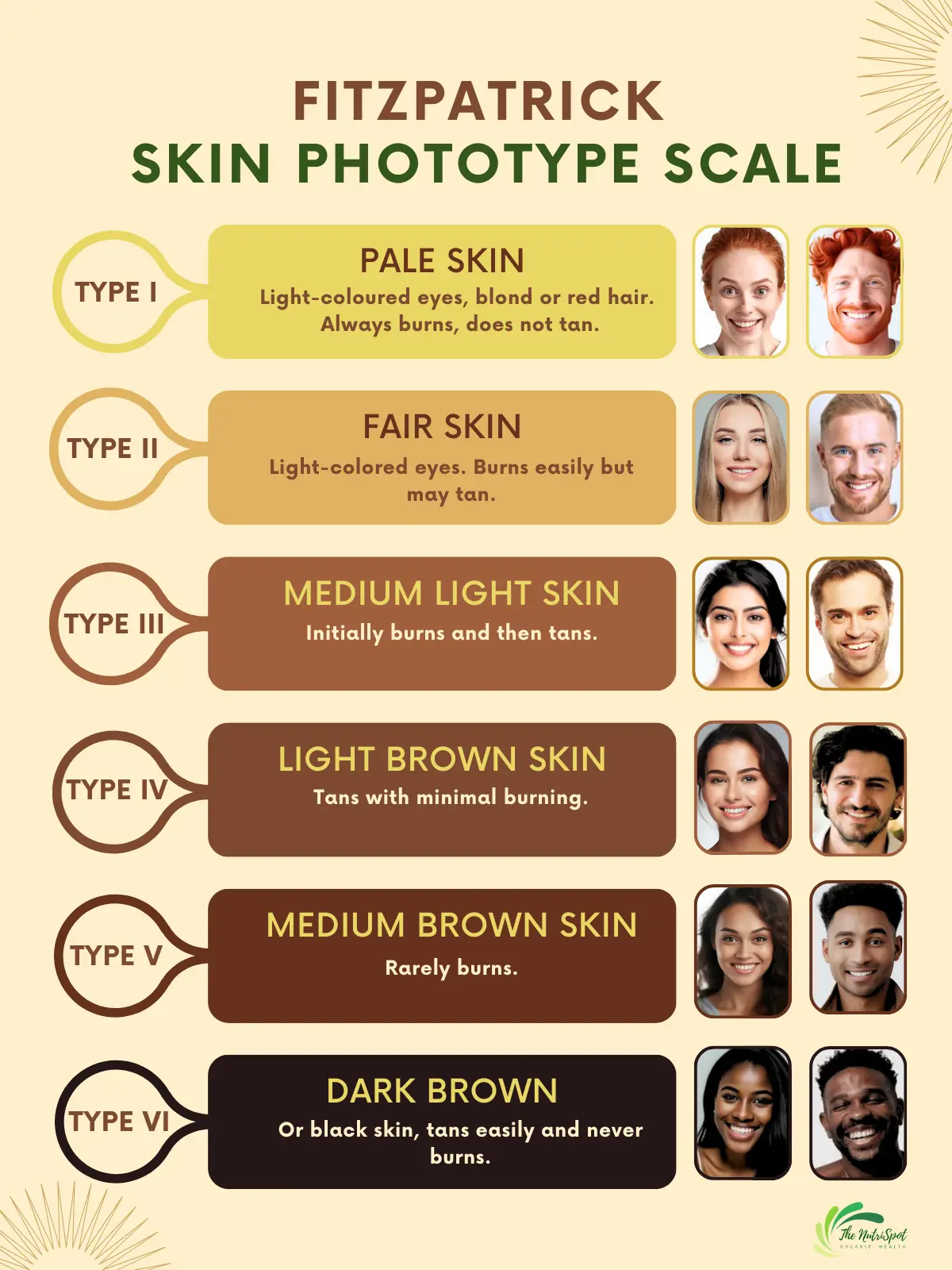
Our friend Dr. Fitzpatrick’s Skin Phototype Scale
The Fitzpatrick skin phototype scale goes back to 1975, when Dr. Thomas B. Fitzpatrick invented a system to classify skin types based on their response to ultraviolet (UV) radiation, primarily to assess the risk of sunburn and to guide appropriate sun protection measures.
This scale categorises skin into six different types, ranging from very fair to very dark, based on the amount of melanin present in the skin. Melanin, the pigment responsible for skin colour, plays a crucial role in determining how the skin reacts to sun exposure, with higher melanin levels offering more natural protection against UV radiation.
The Effects of Sun Damage in Hot and Humid Climates
If you’ve got the lucky skin type that’s less prone to damage but find yourself soaking up the Maltese sunshine, the risk of sun damage is still there. The combination of intense and prolonged sun exposure with the typical humidity experienced in Malta, can exacerbate the damage caused by UV radiation. Add the reflective nature of water surfaces typical of any island and we have the perfect recipe for accelerating photoaging.
Preventing Collagen Loss Due to Sun Damage
The good news is that while sun damage can accelerate collagen loss, there are effective strategies to protect our skin and minimise the impact of UV radiation.
We won’t go into the many tips that have been drilled into us from a very young age today to try and keep this article shortish. We will however, take a closer look at only 3 of the less hailed strategies.
- Incorporate Antioxidants: Think pomegranate, ginger, turmeric, most berries (source), broccoli, spinach, carrots, garlic, mushrooms, artichokes, cabbage, asparagus, avocados, beetroot, radish, lettuce, sweet potatoes, squash, pumpkin and kale. Consuming these common foods will increase your levels of antioxidants.
- Incorporate Anti-inflammatories: Think Omega-3 rich fatty fish such as salmon, mackerel and anchovies, nuts, olive oil, coconut oil, green tea, many herbs and spices (source).
- Incorporate Supplements: Think of supplementing with high-quality supplements if you have the will to combat photoaging, but have not yet found a way to do so. At the NutriSpot you will find the best high-end supplements in Malta to help you do so, whether it is Organixx Clean-sourced Collagens, Organixx OrganiGreens, Organixx Turmeric 3D or Organixx Joint and Muscle Care. All Organixx supplements offer nothing short of the best, are organic and have been independently checked so that you can have peace of mind that they contain what they claim to contain.
Plus, hydrate, hydrate, hydrate!
As with other issues, the best way to tackle photoaging is from the inside out. Read our article Glowing from Within: 8 Ways How Collagen Supplements Nourish Your Body, to continue to understand why collagen is essential not just for youthful skin, but for overall health. Then, see what lifestyle changes you can make to try to incorporate one, two or better still, three of the strategies we recommend.
Conclusion
Sun damage is one of the most significant external factors contributing to collagen loss and the premature aging of the skin. In sunny and humid climates like Malta, the risk of photoaging is heightened, making it essential to adopt protective measures.
By understanding the connection between sun exposure, your skin type and collagen degradation, and by taking proactive steps to protect your skin, you can help preserve your collagen levels and maintain a youthful, healthy complexion for years to come.
Best of luck on your journey!
Shop Products

Related Articles

Post-Summer Detox: The Secret to a Healthier, Happier Autumn and Winter
Post-Summer Detox: The Secret to a Healthier, Happier Autumn and WinterAh, summer…the season of long, sunny days, enjoying the amazing sea and beaches we are so blessed with around our islands, balmy evenings out, and maybe a few too many indulgent treats. Surely, all...

Why It’s Time to Stop Skimping on Snooze!
Why It’s Time to Stop Skimping on Snooze!Let’s face it. When life gets busy, sleep is often one of the first things many of us sacrifice. Between family responsibilities, work demands, other commitments, social obligations, and the increasing temptation of digital...

Turmeric and Friends: The Incredible Anti-inflammatory Squad
Turmeric and Friends: The Incredible Anti-inflammatory SquadIn the world of natural remedies and organic health, turmeric is one of the most celebrated and time-tested ingredients. Also known as “the golden spice” due to its vibrant golden colour and potent...
Natural Food Sources of Magnesium
Natural Food Sources of MagnesiumMagnesium is an essential mineral that plays a crucial role in numerous bodily functions. It is involved in hundreds of biochemical reactions in the body, involving every organ in the body.Written by Ann MifsudLast Updated: July 8,...
The Mighty Mineral: 7 Reasons Why Your Body Needs Magnesium
The Mighty Mineral: 7 Reasons Why Your Body Needs MagnesiumMagnesium is present throughout our entire body, with every cell requiring this mighty mineral to function properly. It plays a pivotal role in numerous bodily functions, yet many people are unaware of how...
0 Comments