The Benefits and Realities of Choosing High-Quality Organic Food
Dubbed as the “toxic chemicals era”, the demand for organic food has surged in recent years, as people are becoming more mindful of what they consume. But is there really anything special about eating organic? Is it really worth the effort and expense?
Written by Ann Mifsud
Last Updated: December 18, 2024 | 11 min Read
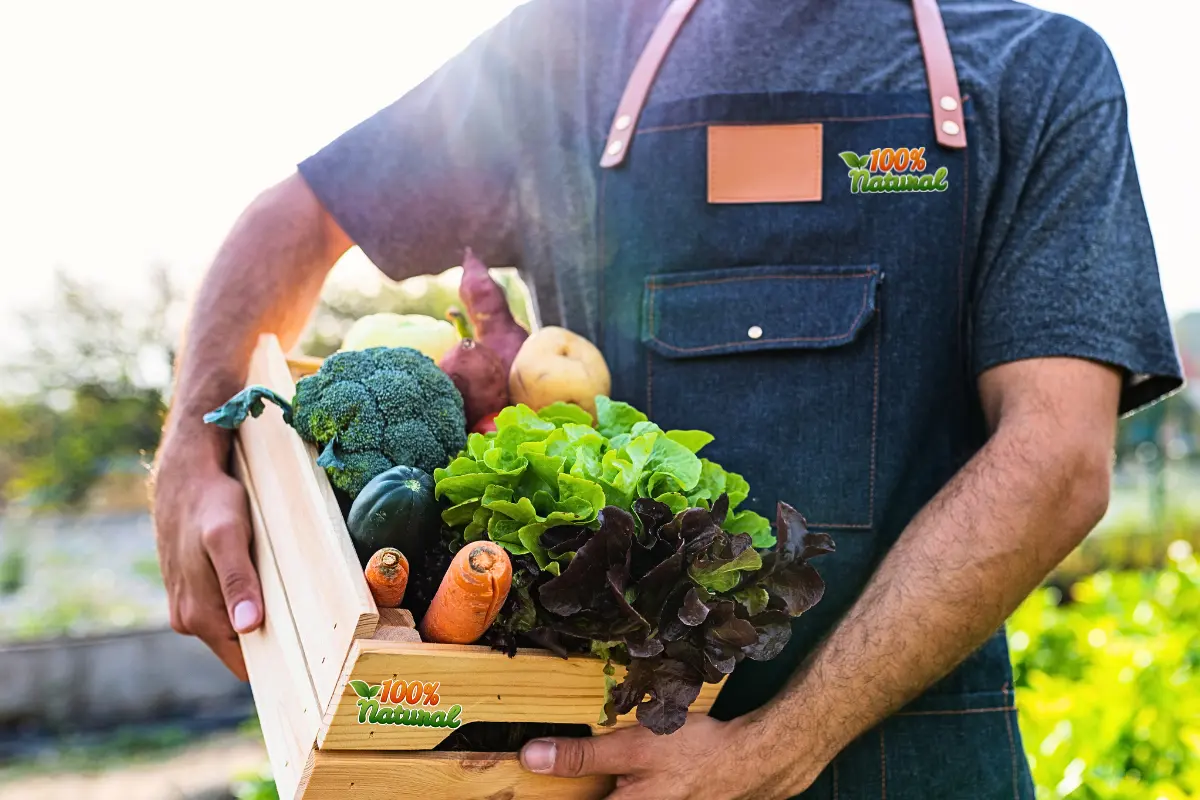
Let us delve into the benefits, acknowledge some realistic disadvantages, check out what science has to say, and explore practical ways to transition into an organic lifestyle for long-term health.
Contents
1. The Advantages of Organic Food
1.1. Fewer Pesticides and Chemicals
Organic farming prohibits the use of synthetic pesticides, herbicides, and fertilisers, which means fewer residues on your food. Consuming fewer chemicals helps reduce the toxic load on your body, supporting overall health.
As some unknown author once wrote, “You are what you eat, so don’t be fast, cheap, easy, or fake.”
1.2. Higher Nutritional Value
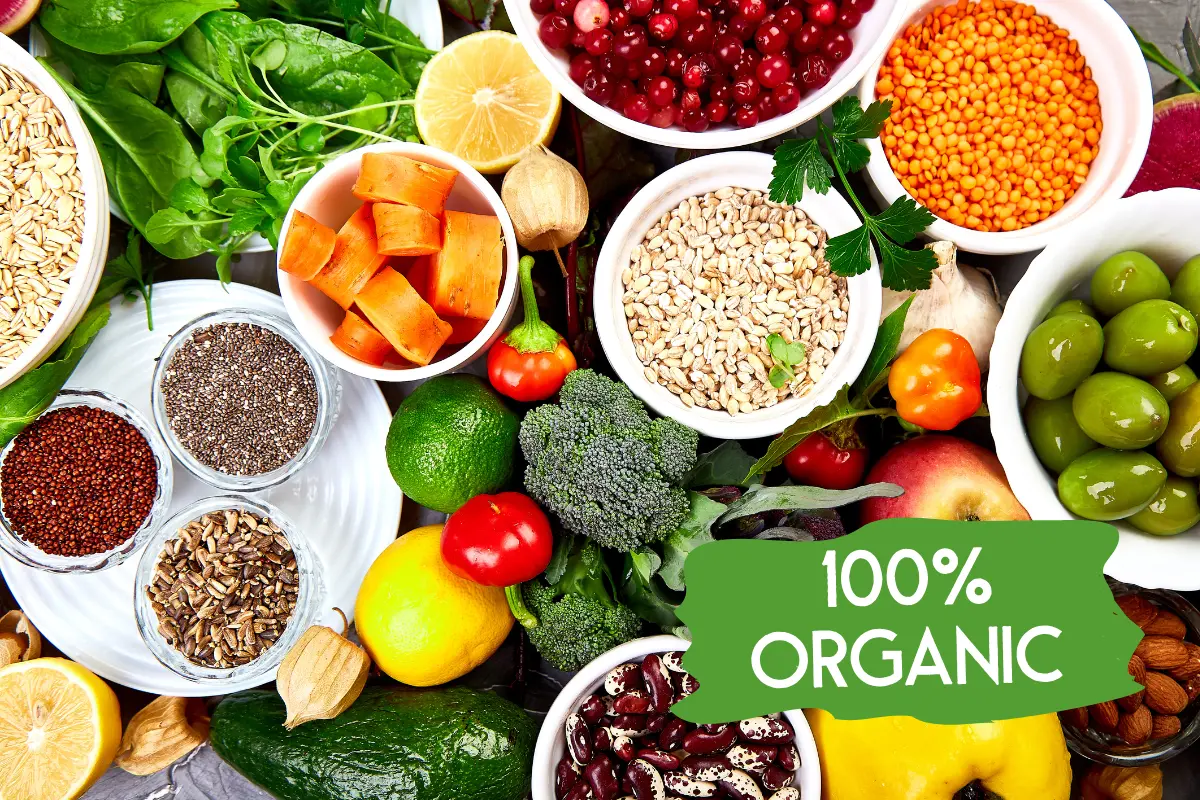
Studies suggest organic produce often contains higher levels of certain nutrients, including antioxidants, and is more abundant in bioactive compounds and minerals, most notably Calcium, Magnesium, Iron, Zinc, Copper and Manganese, all of which are crucial. (source) This is attributed to the natural cultivation methods that encourage plants to develop their own protective compounds.
1.3. Environmental Benefits
Organic farming promotes soil health, biodiversity, and sustainability. By avoiding harmful chemicals, organic practices help reduce pollution and conserve water.
1.4. No GMOs
Certified organic foods are free from genetically modified organisms (GMOs), providing peace of mind for those who prefer unaltered, natural foods.
1.5. Better Taste
Many people experience a superior taste of organic fruits and vegetables. Natural farming practices often lead to richer flavours and textures.
2. The Disadvantages of Organic Food
2.1. Cost
Organic food is often more expensive due to labour-intensive farming methods and smaller-scale production. For families on a budget, this can be a significant and genuine hurdle.
2.2. Limited Availability in Malta
In Malta, organic options are limited, especially when it comes to fresh produce. This makes it harder to consistently purchase what you need on a regular basis, as you would need to depend on products that have been imported.
2.3. Shorter Shelf Life
Without preservatives, organic produce tends to spoil faster. This can lead to waste if not consumed quickly. Having said that, proper planning will lessen wastage.
2.4. No Absolute Guarantee
Sadly, as with most things in life, while organic standards are generally rigorous, they aren’t foolproof. Cross-contamination from neighbouring non-organic farms sometimes occurs, even when a farmer has large areas of land. Especially on small islands like ours, this is amplified as fields touch one another and the produce from a farmer who is trying to grow crops organically is easily contaminated by a neighbour’s using chemicals.
3. Why It’s Worth Going Organic
Despite certain challenges, the long-term benefits of organic food outweigh the disadvantages. Choosing organic whenever possible reduces your exposure to harmful chemicals, supports environmentally friendly practices, and aligns with a preventative health approach. It’s about prioritising quality over convenience.
To quote Benjamin Franklin, dating back to 1735, “An ounce of prevention is worth a pound of cure”.
3.1. The Hidden Danger of Antibiotics in Animal Farming
In conventional animal farming, antibiotics are used extensively to prevent disease and promote growth. When we consume meat from animals heavily treated with antibiotics, we indirectly ingest these substances. Over time, this contributes to antibiotic resistance in humans; a public health crisis recognised globally. (source)
3.2. Organic Food and Better Weight Management
A French study involving 35,000 perimenopausal and menopausal women revealed a correlation between organic food consumption and healthier BMI levels. Regularly consuming organic food was linked to lower risks of obesity, type 2 diabetes, postmenopausal breast cancer, and lymphoma. This underscores the role of organic diets in promoting overall weight management and reducing chronic disease risks. (source)
3.3. PFAS: The Persistent Threat to Health and Environment
PFAS, often referred to as the “forever chemicals,” are a group of over 4,700 man-made chemicals, which are widely used in the EU and beyond. These substances linger in our bodies and the environment, causing severe health issues, including liver damage, thyroid disease, obesity, fertility problems, and cancer. (source)
Despite growing awareness of their dangers, PFAS contamination in fruit and vegetables has increased significantly. In Europe alone, levels nearly tripled between 2011 and 2021, largely due to contaminated water, compost, soil additives, and PFAS-based pesticides. (source)
3.4. Toxic Pesticides and Cognitive Development in Children
A recent Spanish study highlighted the adverse effects of prolonged exposure to toxic pesticides on children’s cognitive development over a decade. These findings underscore the urgency of reducing exposure to harmful chemicals, particularly for vulnerable populations like children. (source)
4. Practical Tips for Going Organic Gradually
4.1. Start Small
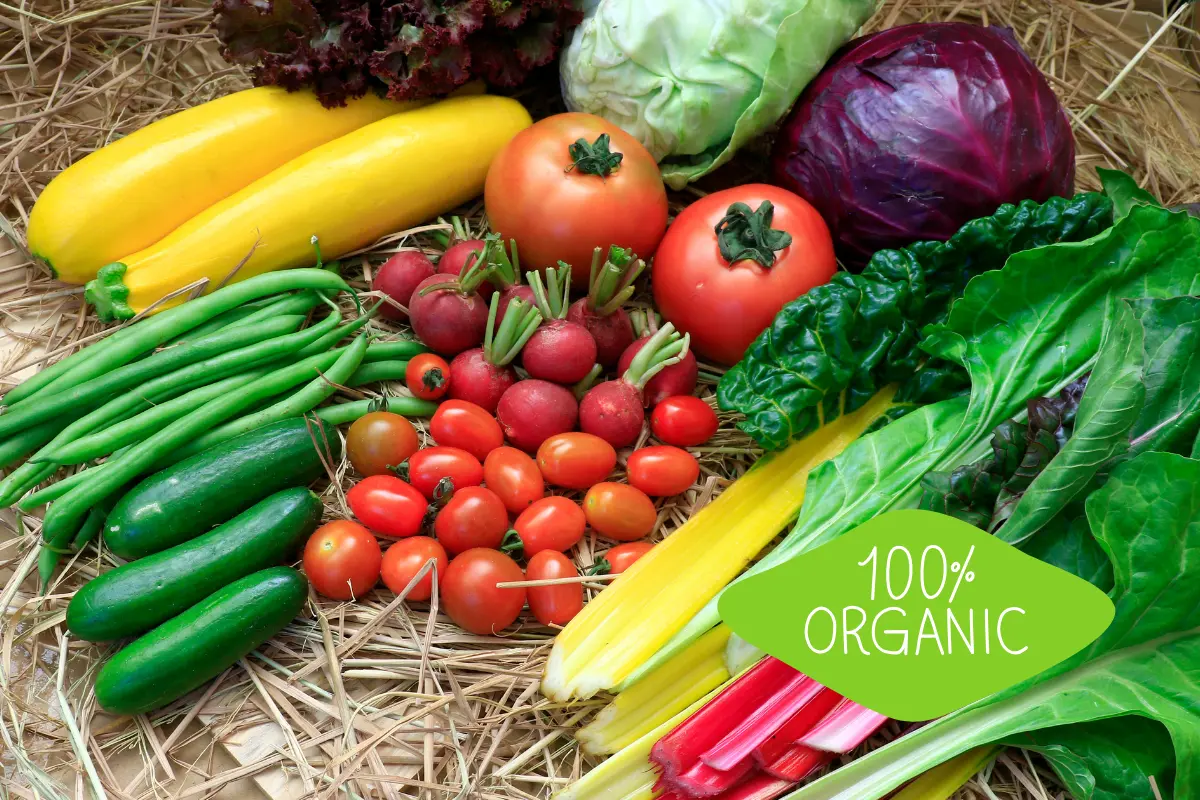
Don’t try to overhaul your kitchen habits overnight. Start small by changing 2-5 fruits and vegetables you would normally buy and try to prioritise buying these organic.
4.2. Choose Quality Over Quantity
Focus on high-impact choices like organic greens, dairy, and meats. These products often carry the greatest chemical load in their conventional forms.
4.3. Grow Your Own
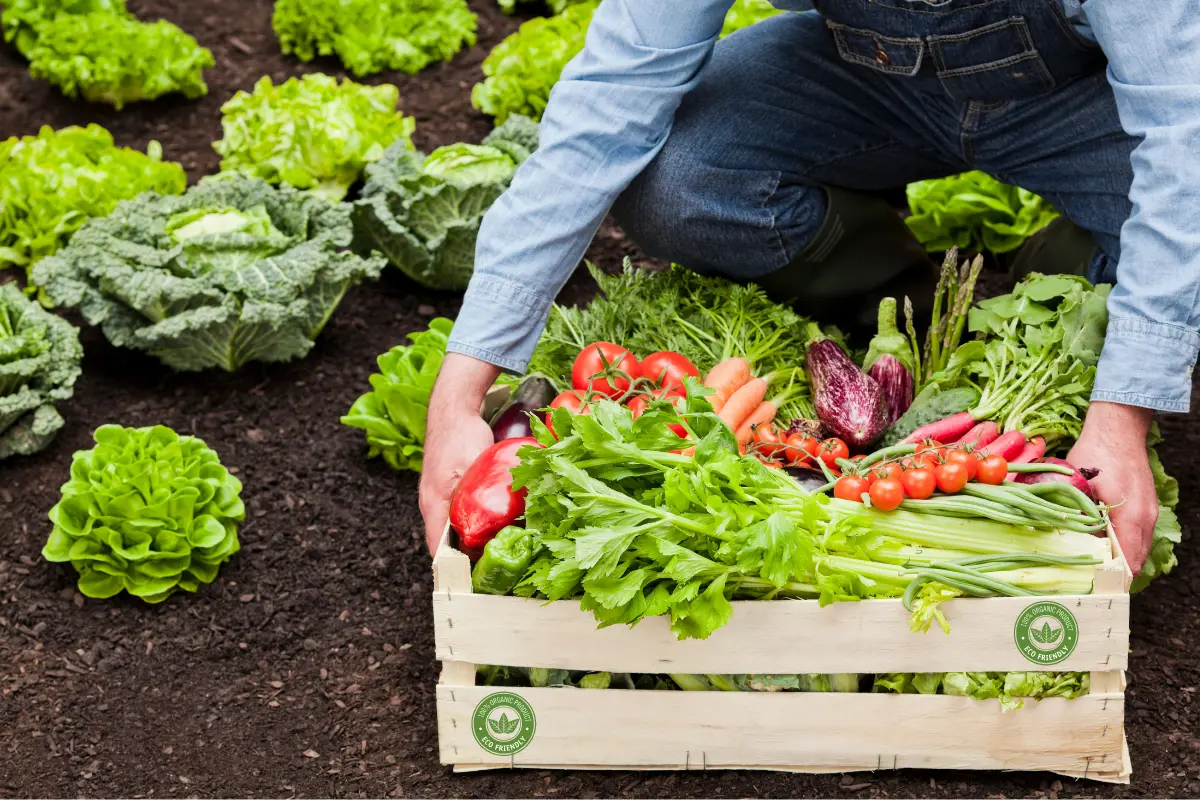
If possible, grow your own. You don’t need a full-fledged garden to do so. Start with a few, easy-to-grow herbs in pots. Then once you get the hang of those, move on to trying tomatoes, lettuce or green peppers. It may take a few trials, but be patient.
Think of the great Aristotle when you’re tempted to give up, “Patience is bitter, but its fruit is sweet”.
4.4. Buy Local and Seasonal
Farmers’ markets often offer affordable organic produce. Buying in-season reduces costs and ensures freshness.
4.5. Plan and Store Smartly
Avoid waste by planning meals and using storage methods to extend the shelf life of organic produce. For example, store herbs in water or freeze excess fruits.
4.6. Incorporate Slowly
Consider making one meal a day organic or substituting one conventional ingredient with an organic option each week.
4.7. Balance Budget-Friendly and Organic
If cost is a concern, mix and match. Pair organic fruit and vegetables with conventionally grown options. If budget is an issue, choose those fruit and vegetables for which there isn’t such a huge difference in pricing between the two options.
5. Enhance Your Diet with High-Quality Organic Supplements
If the steps above feel out of reach, whether due to time, budget, or patience, consider complementing your efforts with high-quality organic supplements. As with any health product, not all supplements are created equal. Since these will directly impact your body, it’s essential to ensure that you’re choosing a product that truly delivers on its promises.
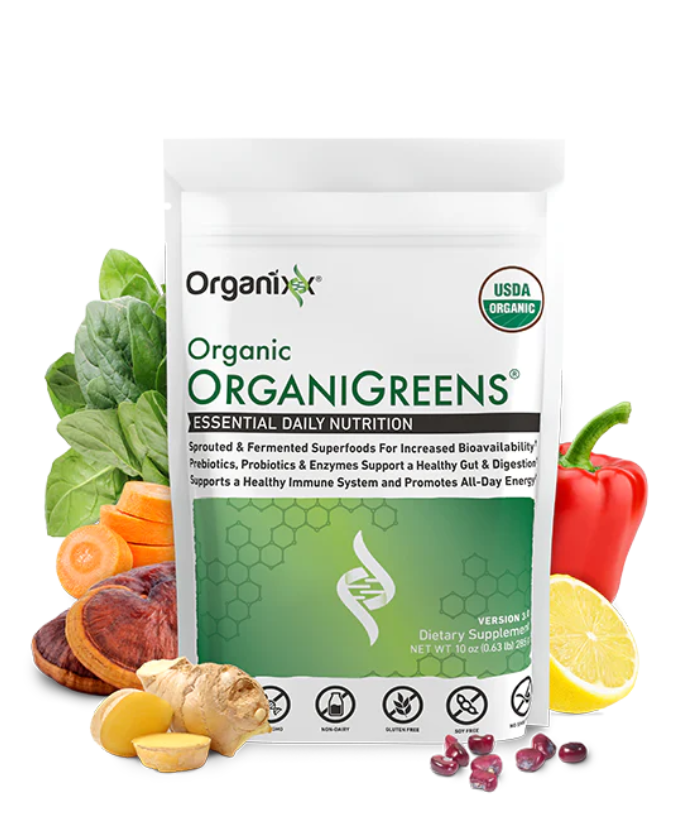
At TheNutriSpot, we proudly recommend our flagship product, Organic OrganiGreens. While it may seem like an investment, its value lies in its exceptional quality and unparalleled benefits. With a carefully curated blend of 17 organic, sprouted, and fermented superfoods, this supplement provides 22 essential vitamins and minerals, along with prebiotics, probiotics, and enzymes.
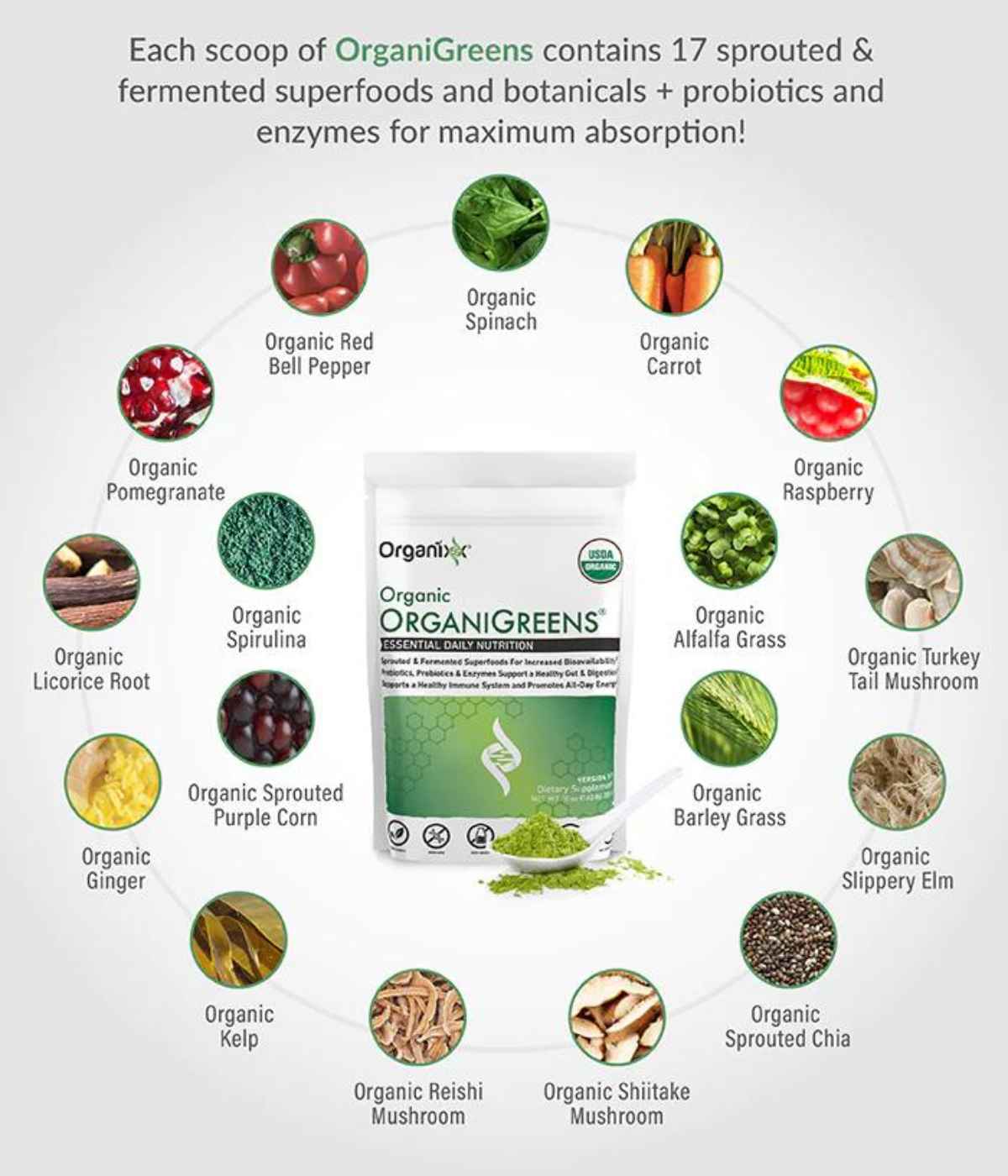
It’s designed to promote a healthy gut, aid digestion, and bolster your immune system, all in one convenient product. Simply put, no other supplement available in Malta matches its comprehensive support for your health.
Curious about why sprouted and fermented greens are so beneficial? Don’t miss our article The Benefits of Sprouted and Fermented Fruit and Vegetables, where we explore the science behind these nutrient powerhouses.
And for those still unsure of the true benefits of regularly consuming fruits and vegetables, check out our piece, Nature’s Nutrient Boosters: Why Adding Greens to Your Diet Matters! We hope these resources inspire you to make life-changing choices for your health in moving forward.
Final Thoughts on how choosing high-quality organic over conventionally-grown food could benefit your overall health
Despite a greater awareness of the negative impact of pesticides on our bodies, pesticide-free practices among farmers are generally very low, not just locally but throughout the EU and beyond.
The evidence supporting the benefits of organic food continues to grow, encompassing everything from improved weight management to reduced exposure to harmful chemicals. While challenges such as cost and accessibility persist, the long-term gains for personal health and the environment are undeniable.
Organic living is not about achieving perfection overnight. Instead, it’s about making informed, gradual changes that collectively create a healthier future. By taking small, consistent steps, you can make a meaningful shift toward better health for yourself and your loved ones.
“The greatest wealth is health.” – Virgil
Shop Products
Related Articles

Why It’s Time to Stop Skimping on Snooze!
Why It’s Time to Stop Skimping on Snooze!Let’s face it. When life gets busy, sleep is often one of the first things many of us sacrifice. Between family responsibilities, work demands, other commitments, social obligations, and the increasing temptation of digital...

Turmeric and Friends: The Incredible Anti-inflammatory Squad
Turmeric and Friends: The Incredible Anti-inflammatory SquadIn the world of natural remedies and organic health, turmeric is one of the most celebrated and time-tested ingredients. Also known as “the golden spice” due to its vibrant golden colour and potent...

The Impact of Sun Damage on Collagen: Understanding the Connection
The Impact of Sun Damage on Collagen: Understanding the ConnectionCollagen is a vital protein in our bodies, responsible for providing structure, strength, and elasticity to our skin, bones, muscles, and connective tissues. As we get older, our body's natural collagen...
Natural Food Sources of Magnesium
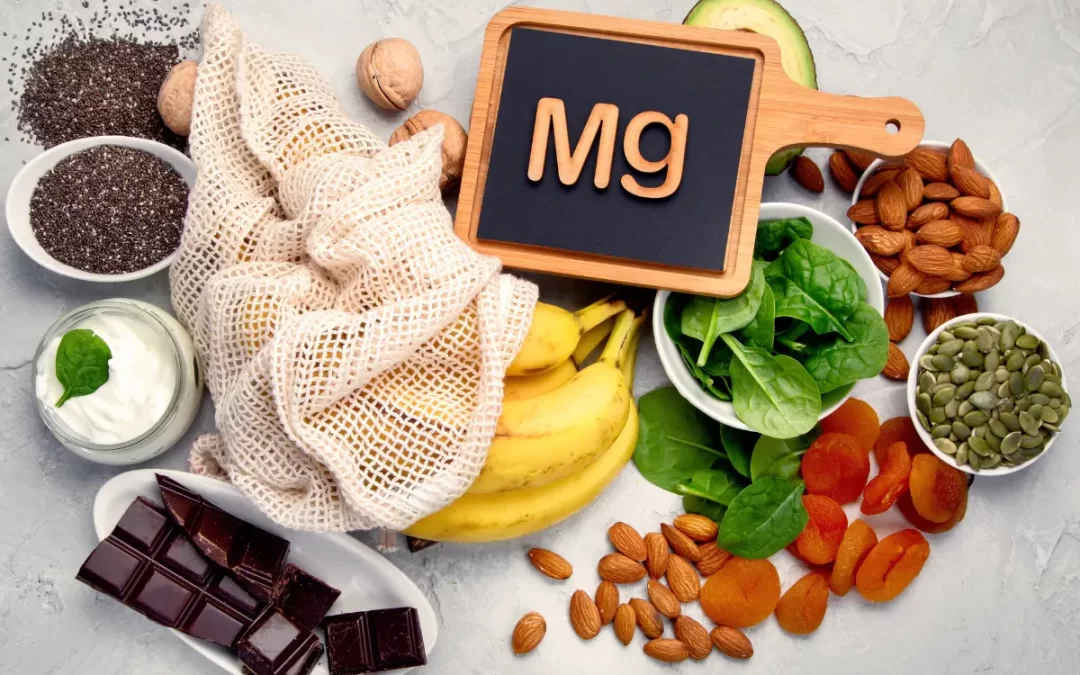
Natural Food Sources of MagnesiumMagnesium is an essential mineral that plays a crucial role in numerous bodily functions. It is involved in hundreds of biochemical reactions in the body, involving every organ in the body.Written by Ann MifsudLast Updated: July 8,...
The Mighty Mineral: 7 Reasons Why Your Body Needs Magnesium
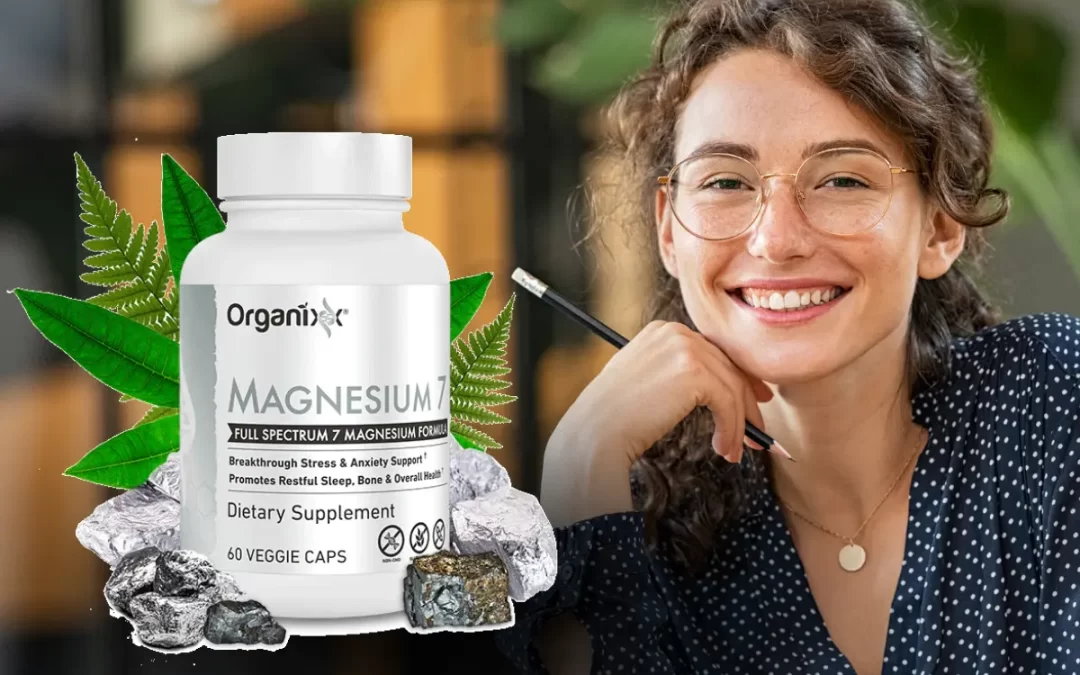
The Mighty Mineral: 7 Reasons Why Your Body Needs MagnesiumMagnesium is present throughout our entire body, with every cell requiring this mighty mineral to function properly. It plays a pivotal role in numerous bodily functions, yet many people are unaware of how...
0 Comments